How to Tell the Age of a Building: 9 Clues
Dating a building is detective work. No single feature gives a precise year, but stacked together these nine clues will place almost any building within a few decades.
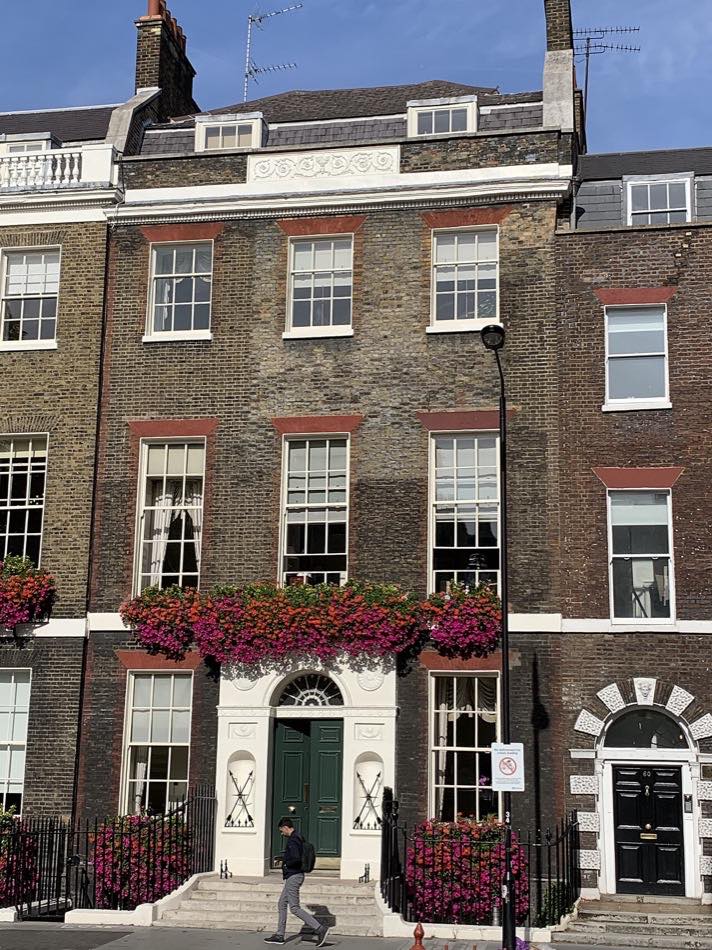
1. Brick size and bond
Brick dimensions, colour, and the bond (the pattern in which they're laid) changed over time. Handmade, irregular bricks suggest older construction; uniform machine-made brick points to the industrial era onward. The Brick Development Association publishes detailed guidance on historic UK brickwork if you want to go deeper.
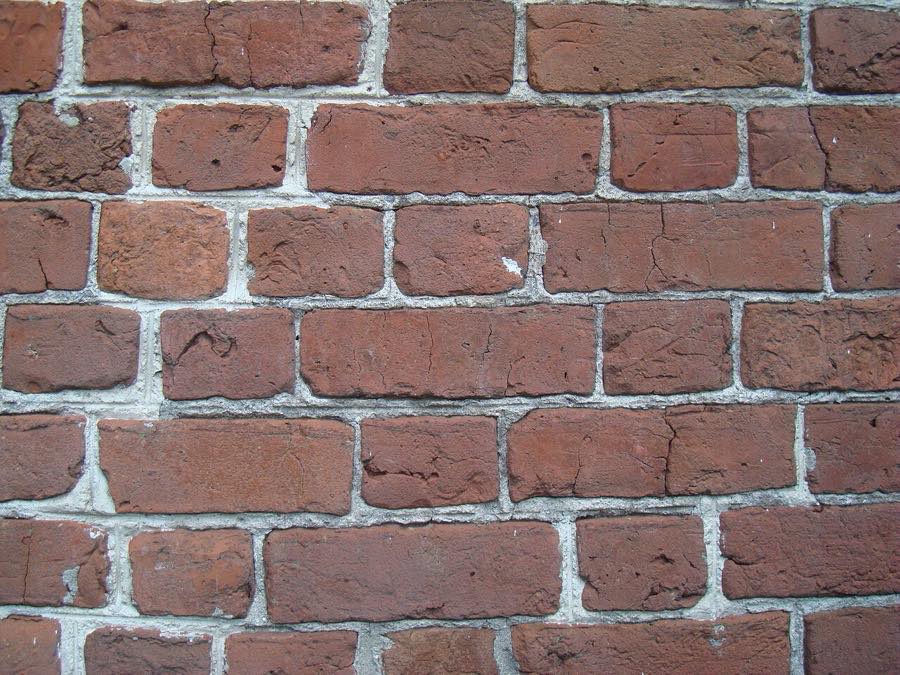
2. Window style
Timber sash windows, steel Crittall frames, uPVC, and large sheets of plate glass each belong to different periods. Window proportions and glazing bars are one of the strongest dating tools.
3. Roof pitch and material
Steep roofs with clay tiles or slate tend to be older; shallow or flat roofs suggest 20th-century and later construction. The roof covering itself is a clue to region and era.
4. Facade symmetry and proportion
Rigid symmetry suggests Georgian and classical influence; deliberate asymmetry points to the Victorian period and beyond.
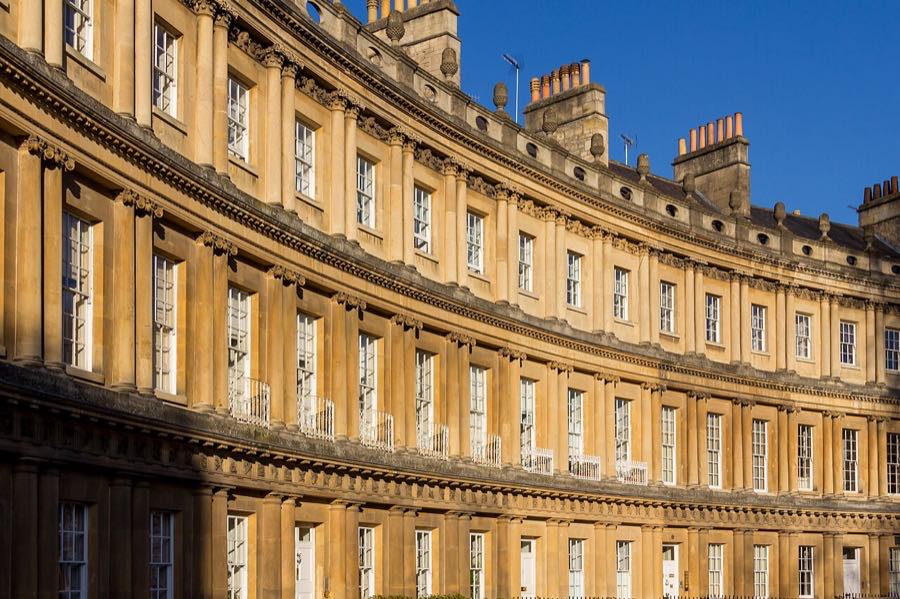
5. Decorative detail
Cornices, mouldings, terracotta panels, and ironwork peaked in the Victorian era, were simplified in the Edwardian period, and largely disappeared in Modernist design.
6. Construction materials
Load-bearing stone and brick dominated until steel and reinforced concrete frames unlocked taller, lighter buildings in the 20th century. Curtain-wall glass is a modern signature.
7. Doors and entrances
Panelled timber doors with fanlights, stained glass, or elaborate surrounds all carry period signatures worth reading.
8. Chimneys and services
Numerous chimney stacks indicate an age of coal fires; their absence suggests central heating and a later build or a modern conversion.
9. Context and neighbours
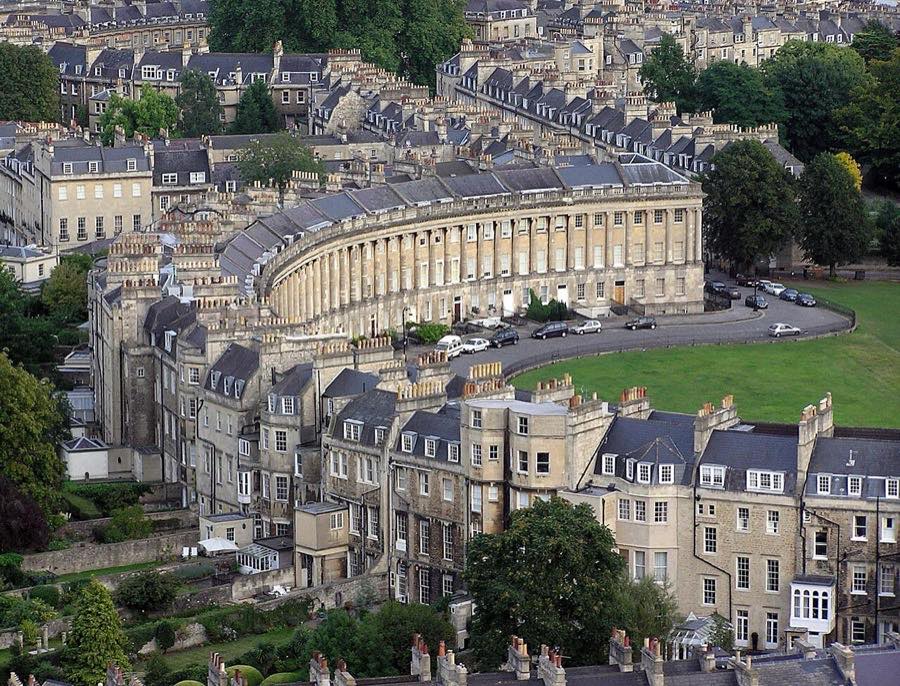
Buildings were often built in batches. If a whole terrace or street shares a style, dating one house helps date them all.
Let AI date the building for you
Building Lore reads all of these clues from one photo and estimates the era instantly. Free on Google Play.

Putting it together
Work through the clues in order, note where they agree, and you'll arrive at a confident estimate. For an exact construction date, confirm your read against deeds, historic Ordnance Survey maps, or official records such as Historic England's National Heritage List. An AI app like Building Lore is a fast way to get the initial estimate and learn which clues matter most.
Frequently asked questions
How can you tell how old a house is?
Look at the brick bond, window style, roof pitch, and proportions, then cross-check with local records. These physical clues usually place a house within a few decades. Building Lore can estimate the era from a single photo of the facade.
What is the most reliable clue to a building's age?
There isn't a single one — dating is about combining signals. That said, windows and brickwork are among the most reliable, because construction techniques and fashions changed in well-documented ways over time.
Can you date a building just from a photo?
You can get a confident estimate from a clear photo of the facade, because most dating clues are visible externally. For an exact construction date you'll still want deeds, planning records, or historic maps.
Sources & further reading
- Historic England — The National Heritage List for England: official records for every listed building, including construction dates.
- The Georgian Group: the UK charity for buildings of 1700–1837, with guidance on Georgian architecture.
- The Victorian Society: expertise on Victorian and Edwardian buildings (1837–1914).
- Brick Development Association: history and technical guidance on UK brickwork and bonds.
- National Library of Scotland — historic maps: free georeferenced Ordnance Survey maps for checking when a street first appears.